Maladaptive Schemas vs. Coping Styles: Differences and Examples
Compare schemas, coping styles and modes through one fictional example. Explore surrender, avoidance and overcompensation, plus a reflection worksheet and FAQ.
Schemas and coping responses are different layers of the same experience. A schema is an enduring emotional pattern, such as a long-standing sense of being inadequate or likely to be abandoned. A coping style is a habitual way of responding when that pattern is stirred up. The schema shapes what an experience means to someone; the coping response shapes what they do next.
This guide uses one fictional situation, critical feedback from a friend, to compare the three classic coping styles side by side. The painful theme stays the same each time, while the response changes. A short reflection worksheet follows to help readers notice patterns without assigning labels.
Schemas vs. Coping Styles: The Difference at a Glance
The schema-therapy model distinguishes schemas, coping styles, and modes. The table separates the enduring pattern, the habitual response, and the state active at a particular moment.
| Layer | What it is | Time frame | In the example |
|---|---|---|---|
| Schema | A recurring emotional pattern or meaning | Enduring, trait-like | “I am inadequate” |
| Coping style | A habitual way of responding when a schema is activated | Repeating, but can vary by situation | Giving in, pulling away, or pushing back |
| Mode | The emotional state and coping responses active right now | Momentary | A flash of shame, then a defensive reply |
Schema. A schema can include beliefs, memories, emotions, bodily sensations, and expectations that activate together, as Schema Reflect's overview explains. A validation study of the Schema Coping Inventory describes these schemas as traits, distinguishing them from momentary modes. For readers new to the named patterns, the overview of maladaptive schemas explains the traditional 18-schema model as a map for reflection rather than a diagnosis.
Coping style. A coping style is a habitual response to schema activation. The International Society of Schema Therapy (ISST) describes three: surrender, avoidance, and overcompensation. These describe responses rather than personality types. The same person can use different responses in different situations or combine them in one interaction.
Mode. ISST defines schema modes as the moment-to-moment emotional states and coping responses that everyone experiences. Modes include more than coping responses: a mode can involve the hurt itself or a calmer, more grounded state. Research into how modes become active is still developing. A 2026 review of experimental studies described the evidence about these mechanisms as limited.
The fictional example. Alex and a friend are planning a weekend trip. The friend points out that Alex's schedule leaves no time to rest and that two bookings overlap. That feedback is the trigger. Alex hears a broader message: “I am inadequate,” a possible Defectiveness/Shame theme. The feedback alone cannot establish a schema. Alex's interpretation, emotions, and expectations provide the context needed to explore it.
One Trigger, Three Coping Styles
The friend's words stay the same in every version below, as does the possible schema underneath. Only the response changes. Each response may serve a protective purpose and offer immediate relief, while also carrying a later cost. These are possible outcomes, not inevitable ones.
Surrender
ISST describes surrender as accommodating to a schema-consistent pattern and responding as though it is true or expected. Alex treats the overlapping bookings as confirmation of a global verdict: “I always mess things up. You should plan everything.” Alex hands over the whole itinerary and drops their own preferences.
Handing over the planning may end the disagreement and bring immediate relief. The possible later cost is that Alex's perspective disappears from the trip, while the belief of inadequacy gains apparent support. Agreement alone doesn't indicate surrender. Saying “You're right, those two bookings clash. I'll fix them” acknowledges a specific mistake. Surrender adds a judgment about personal worth and gives up the rest.
Avoidance
A Delphi consensus study on schema-therapy research priorities describes avoidance as behavioral and mental efforts to prevent a painful schema from being activated. In this version, Alex reads the message, feels a drop in the stomach, and doesn't reply. Alex opens another app and stays busy all evening.
Distraction may keep the feeling of inadequacy at a distance and make the evening feel easier. The possible later cost is that the bookings remain unresolved, the friend reads the silence as indifference, and the next piece of feedback feels more threatening. Taking an hour before replying can be a useful pause if Alex returns to the conversation. The concern here is repeatedly using distraction to leave it unresolved.
Overcompensation
The Cambridge Guide to Schema Therapy describes overcompensation as thinking, acting, and feeling as though the opposite of the schema is true. Alex insists that the schedule is flawless and adds that the friend has never organized anything well.
The response pushes away the feeling of inadequacy by asserting its opposite. It may bring an immediate sense of strength, but it can also strain the friendship and leave the double booking unresolved. An assertive reply would state a preference while addressing the problem: “I'd like to keep the museum day. Can we move the second booking instead?” An introduction to schema therapy also discusses tracking triggers and practicing alternative responses.
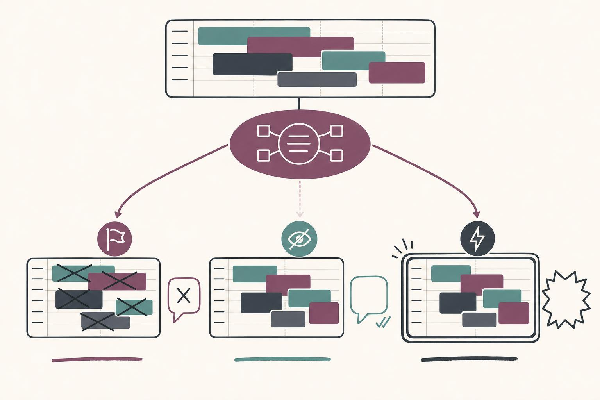
| Response | Possible inner message | Immediate function | Possible consequence |
|---|---|---|---|
| Surrender | “They are right about everything; I am inadequate.” | Ends the conflict quickly | Own perspective lost; belief reinforced |
| Avoidance | “If I do not look at this, it cannot hurt.” | Keeps the feeling at a distance | Problem unresolved; feedback feels more threatening |
| Overcompensation | “I will prove I am the opposite of inadequate.” | Replaces shame with a sense of strength | Friendship strained; problem still unsolved |
Switching and combining. ISST’s description of coping styles allows for one or more responses. Alex might go quiet for a day, then send a message that mixes apology with counterattack. Someone might surrender with family and overcompensate at work. Recording the response in its context avoids treating one behavior as a permanent identity.
A proportionate alternative. Alex could notice the embarrassment, name it privately, and ask: “Which parts of the schedule need to change?” That separates a correctable problem, two overlapping bookings, from a judgment about personal worth. Alex can feel embarrassed while still addressing the bookings.
Reflect on the Response, Not a Label
The worksheet below is an educational example, not a validated scoring method or diagnostic tool. Its five steps follow the trigger, interpretation, response, consequences, and possible alternative. They keep attention on what happened and what it meant before considering a schema label.
Trigger. The friend's actual words: the schedule leaves no time to rest, and two bookings overlap.
Interpretation. The meaning Alex added: “This proves I cannot be trusted with anything.” Emotion: embarrassment, then shame. Body cues: hot face and tight chest.
Response. What Alex did or wanted to do. In this version, Alex went silent and stayed distracted until the next day.
Consequences. Immediate: relief and a quieter evening. Later: the bookings remained unresolved, and the friend sent a second, more irritated message.
Possible alternative. One proportionate next step: reply the same evening with “Fair point on the overlap. Which one matters more to you?”
Schema Reflect's article on why a core schema is hard to identify explains why behavior alone is insufficient: meaning, emotion, and predicted consequences help distinguish possible schemas. Give the interpretation row as much attention as the visible response. Its introduction to the model recommends education, pattern logs, and low-stakes experiments as starting points for reflection. Keep these exercises focused on present-day situations and small practice replies, rather than working through old memories alone.
For additional prompts, the coping styles check-in from Schema Reflect offers educational reflection on surrender, avoidance, and overcompensation. The page lists 24 questions, an approximate completion time of 5 to 10 minutes, and automatic progress saving. Answers aren't submitted to the publisher's servers for scoring or account storage. Information stays in the browser, and clearing browser data can delete it. The free tool is separate from the research inventory discussed above. Its questionnaire scores are self-reflection prompts, not diagnoses or validated clinical findings.
Educational exercises can support reflection but don't replace clinician-guided treatment. If distress is persistent, severe, or interfering with daily life, a qualified mental health professional can provide assessment and support beyond what an article or questionnaire offers.
FAQ
Can I use all three coping styles?
Yes. The model allows one response or a combination of responses. They can shift with the situation or relationship, so describing what happened in a particular interaction is more precise than assigning yourself one permanent style.
Is avoidance always unhealthy?
No. The NHS includes socializing, relaxation, and exercise in its stress-management guidance. A restorative break or a boundary around an unsafe situation can be appropriate. The concern is rigidly escaping feelings or necessary situations. The US National Center for PTSD warns that avoiding thoughts and feelings can interfere with recovery, but that warning concerns trauma and PTSD. It shouldn't be applied to every break or boundary.
What is the difference between surrender and acceptance?
Surrender, in ISST's description, means believing the schema's message and responding as though it is true or expected. The US Department of Veterans Affairs' whole-health material describes acceptance in terms of psychological flexibility: allowing an internal experience while retaining the freedom to choose an action. Alex can accept feeling embarrassed without accepting the belief “I am inadequate” as fact.
How are coping styles different from schema modes?
A coping style is a response pattern that tends to repeat. A mode is the emotional state and coping responses active at a particular moment. Modes can include hurt, a calmer state, or a surrendering, avoidant, or overcompensating response.
Sources and Further Reading
- International Society of Schema Therapy: central concepts and schema modes
- International Society of Schema Therapy: coping styles
- Gazzellini and colleagues (2024): Validation of the schema coping inventory for dysfunctional coping strategies
- Krans, Hilgefort and Lobbestael (2026): Experimental Research on Schema Modes: Guidelines and Research Agenda
- Pilkington and colleagues (2023): Identifying the research priorities for schema therapy: A Delphi consensus study
- Cambridge Guide to Schema Therapy: From Core Emotional Needs to Schemas, Coping Styles, and Schema Modes
- NHS: 10 stress busters
- US National Center for PTSD: avoidance in the context of trauma and PTSD
- US Department of Veterans Affairs: Passport to Whole Health, Chapter 12, acceptance and commitment therapy
Related Schemas
Continue exploring
- 18 Early Maladaptive Schemas: Complete ListExplore all 18 early maladaptive schemas, their five domains, common signs, and how schema patterns shape thoughts, emotions, and relationships.
- Why Your Core Schema Is Hard to IdentifyLearn why schemas are easy to confuse with symptoms, coping styles, and each other-and use a structured process to identify likely core patterns.
- Defectiveness and Shame Schema: Signs and ExamplesUnderstand the defectiveness and shame schema: meaning, signs, everyday examples and a reflection worksheet to separate events from painful self-beliefs.
- What Is Schema Therapy? How It Works and HelpsLearn what schema therapy is, how it works, and how to use it to change repeating emotional loops. Includes practical tools, evidence-based benefits, and FAQ.
Start free schema test
Allow about 20–30 minutes. No registration required. Your answers stay in your browser.
See your 18-schema profile